


Materials Used For Children's Vehicles
May 17, 2026
Leave a message
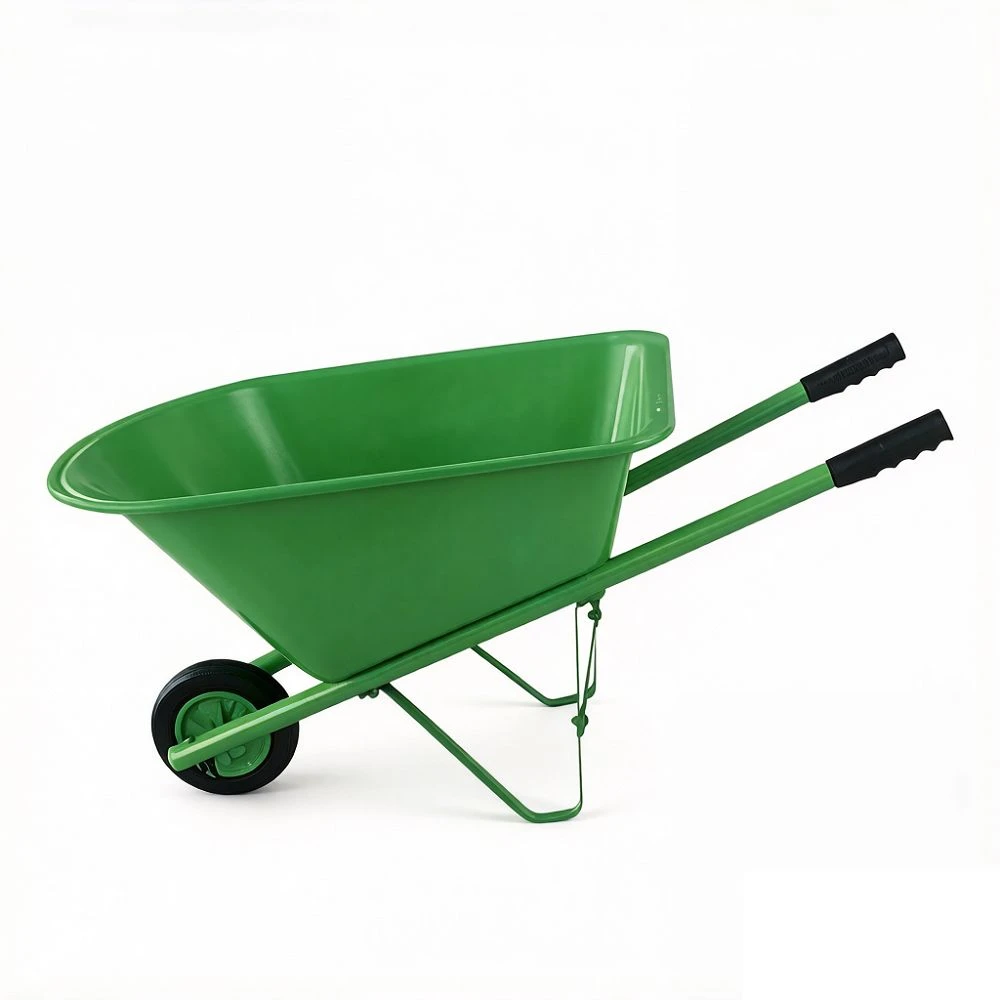
The materials used in children's vehicles generally comprise the body shell, structural framework, tires, and interior components. The body shell is typically made of ABS or PP engineering plastics; these materials offer excellent toughness and impact resistance, ensuring they do not easily break during minor collisions. Additionally, they feature smooth, easy-to-clean surfaces and allow for diverse styling through injection molding.
Metal materials-such as carbon steel or aluminum alloy frames-are commonly used for the structural framework to enhance overall strength. Steel offers high strength at a low cost, making it suitable for entry-level to mid-range products, whereas aluminum alloy is lighter and more corrosion-resistant, often appearing in mid-to-high-end designs. This structural layer primarily supports the child's weight and prevents significant deformation during use or impact, thereby improving overall safety.
Tires are generally made from PVC, EVA foam, or rubber. Rubber tires provide superior grip and shock absorption, while EVA materials are lightweight and quiet, making them ideal for indoor use or smooth surfaces. Seats and armrests are typically upholstered in PU leather or eco-friendly plastic, balancing tactile comfort with durability while eliminating sharp edges that could injure the child. Overall, the choice of materials for children's vehicles represents a balance between safety, cost, and user experience.
Send Inquiry